
Cold plunging has become a popular recovery tool for athletes, biohackers, and anyone looking to improve their daily wellness. Whether you are a complete beginner or someone who has tried an ice bath once, starting a consistent home practice requires a clear plan and realistic expectations. This guide covers your first seven days, how to build tolerance safely, and the most frequent mistakes beginners make.
Many people wonder what the best at home cold plunge setup looks like. There is no single answer because the right choice depends on your space, budget, and comfort with water temperature. The most important factor is simply starting and sticking with it. The following week-long progression will help you ease into cold exposure without overwhelming your system.
Understanding the Basics of Cold Plunging
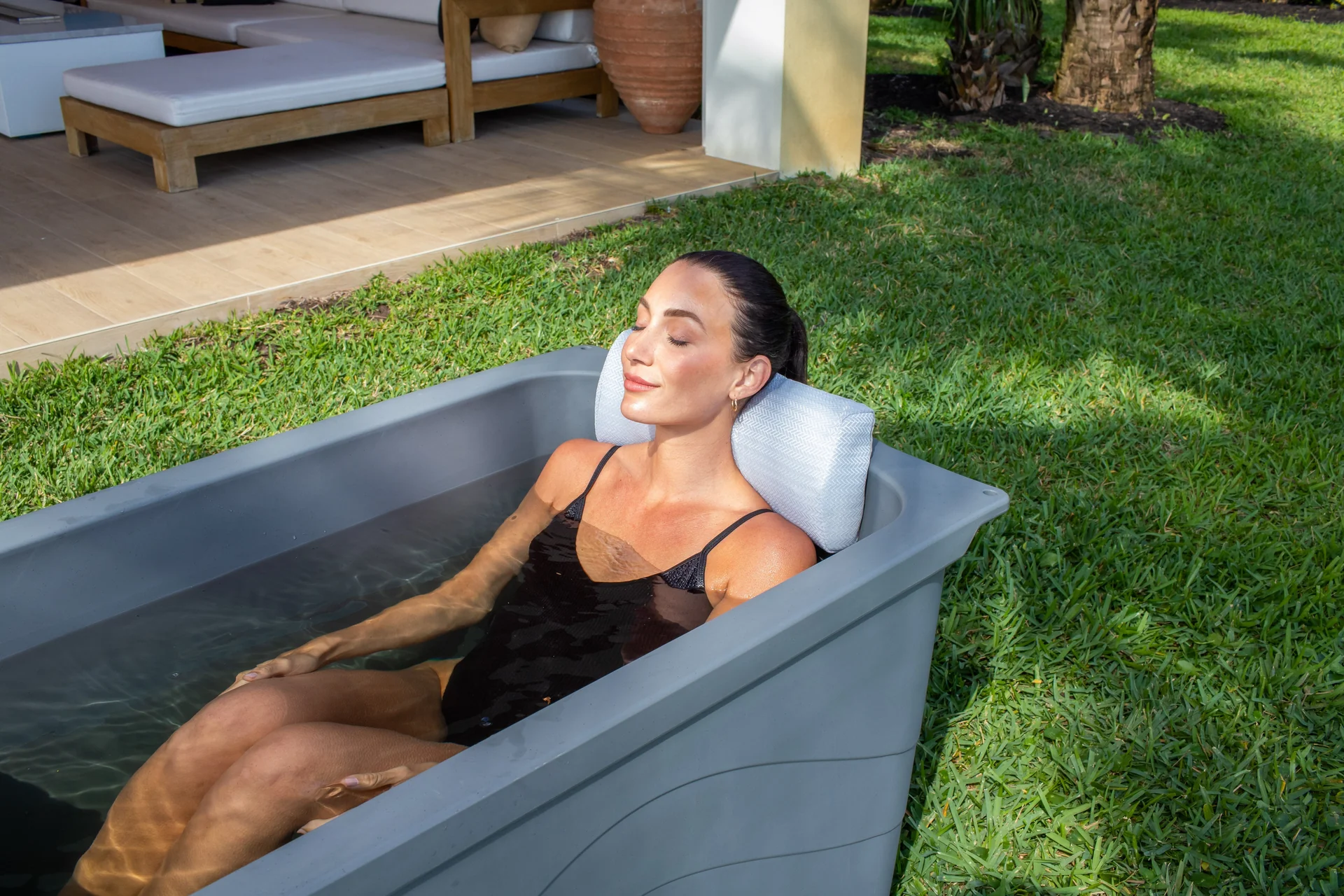
Cold plunging involves submerging your body in water between roughly 50°F and 59°F. Research and user experience suggest this range activates the body’s natural recovery responses without the risk of extreme cold shock. Most people find the sweet spot to be between 50°F and 59°F. It is cold enough to trigger benefits like reduced muscle soreness and improved circulation, yet manageable for a beginner.
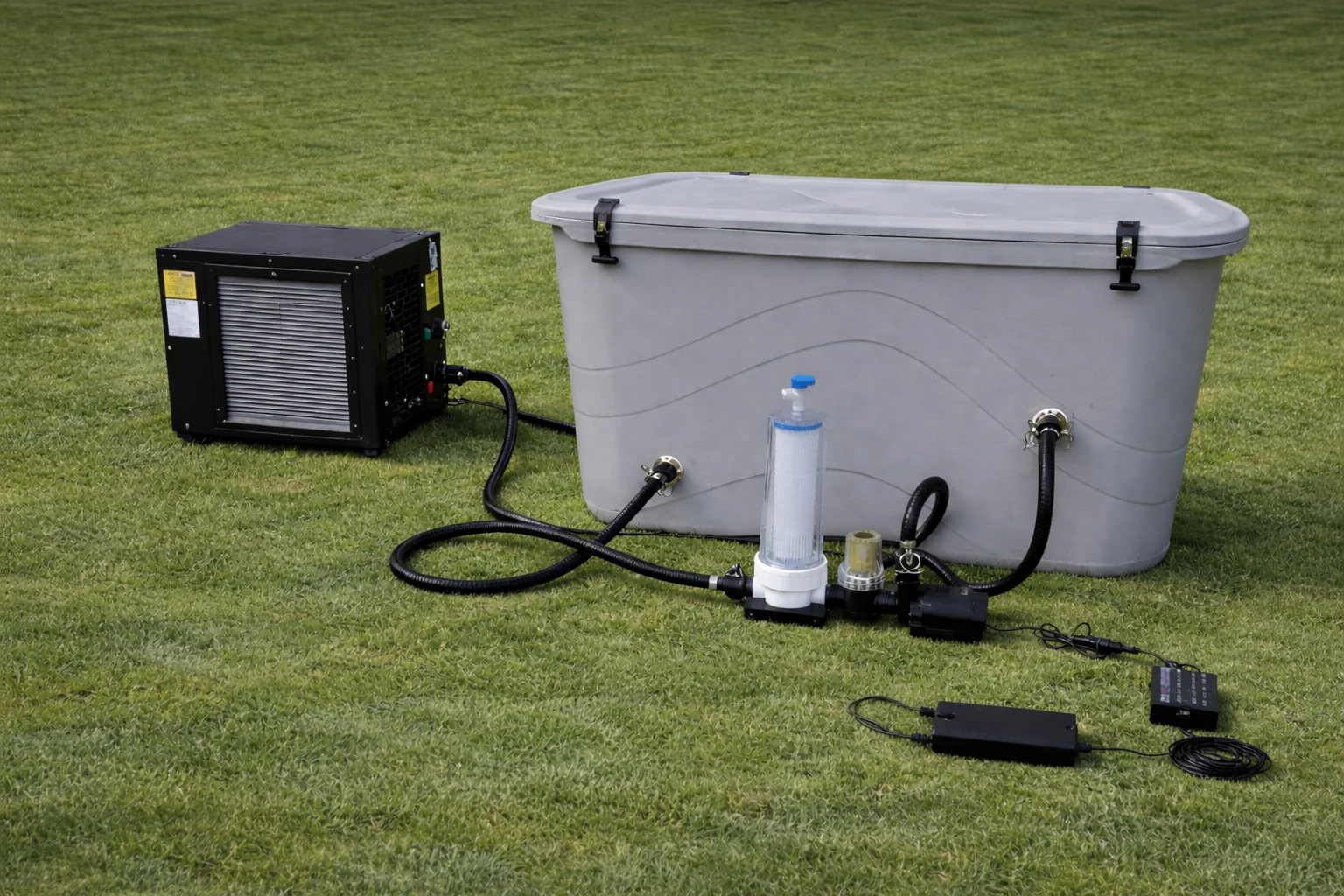
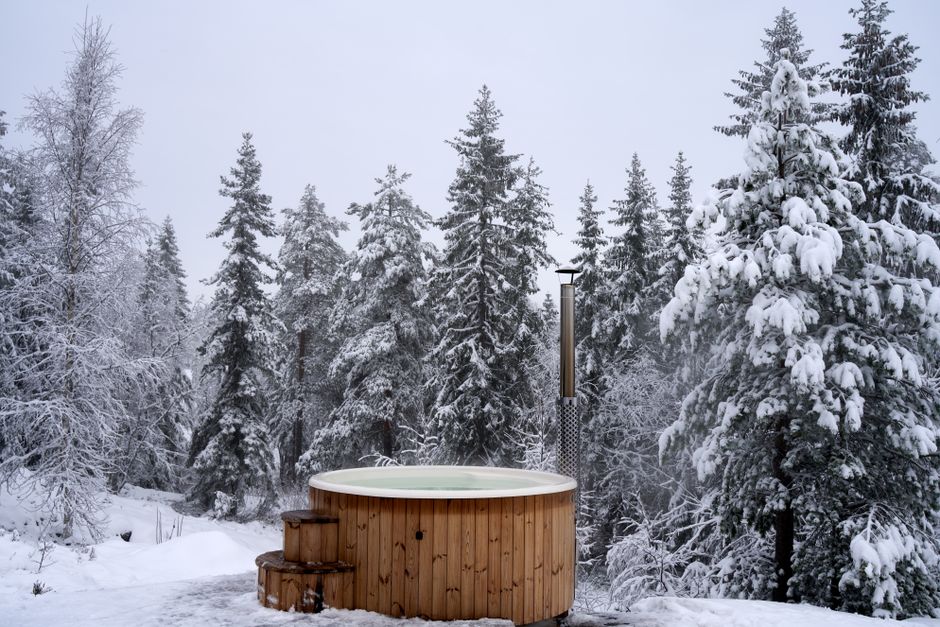
At-home options range from inflatable tubs and wooden barrels to insulated tubs with integrated chillers. Some setups require a separate chiller and filtration system, while others rely on ice. If you are looking for the best at home cold plunge for your needs, consider how often you plan to use it, where you will place it, and whether you want consistent temperature control or are comfortable adding ice manually.
Choosing Your First Setup
Before diving into the seven-day plan, you need a reliable way to get cold water. Inflatable tubs are affordable and easy to store, but they may not hold cold temperatures for long. Insulated tubs designed to work with a chiller maintain a steady temperature and are built for daily use. Some premium models include built-in filtration to keep water clean between uses.
When evaluating options, look for a tub that is durable, easy to clean, and sized to allow full immersion. Many beginners start with a tub that can be placed indoors or outdoors, depending on climate. A chiller is a significant investment but provides consistent cold without the hassle of buying ice. If you are on a budget, some users report success with a simple stock tank and ice, though temperature regulation is less precise.
Remember that the best at home cold plunge is the one you will actually use. Focus on a setup that fits your lifestyle and space, not the most expensive or feature-packed model.
Your First 7 Days of Cold Plunging
This plan assumes you have access to water at the recommended starting temperature of 55°F to 59°F. If your water is colder, reduce your time. Always listen to your body and exit the plunge if you feel uncontrollable shivering, numbness, or severe discomfort.
| Day | Target Time | Water Temperature | Key Focus |
|---|---|---|---|
| Day 1 | 30 seconds | 58°F – 59°F | Focus on steady, deep breathing. Enter slowly and stay calm. |
| Day 2 | 45 seconds | 57°F – 59°F | Practice slow exhales. Keep your hands relaxed at your sides. |
| Day 3 | 1 minute | 56°F – 58°F | Try to keep your shoulders underwater. Control your breath throughout. |
| Day 4 | 1 minute 30 seconds | 55°F – 57°F | Notice the initial cold shock and let it pass. Stay present. |
| Day 5 | 2 minutes | 55°F – 56°F | Maintain even breathing. If you feel panicked, reduce time. |
| Day 6 | 2 minutes 30 seconds | 55°F – 56°F | Focus on relaxing your muscles. Let the cold feel neutral. |
| Day 7 | 3 minutes | 54°F – 56°F | Complete the week with a calm, sustained plunge. Celebrate your progress. |
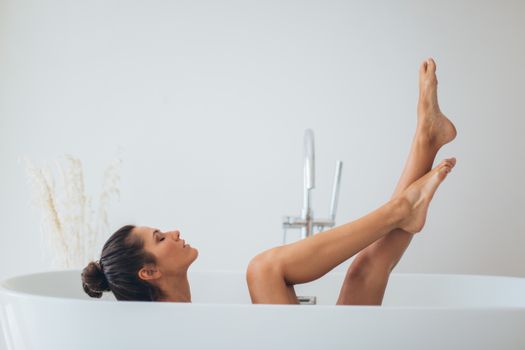
After each session, dry off gently, put on warm clothes, and move around lightly to bring your body temperature back up naturally. Avoid jumping into a hot shower immediately, as the rapid temperature change can shock your system. A brief walk or light movement helps your body recover.
How to Build Cold Tolerance Over Time
Building tolerance to cold water is not about brute force. It is a gradual process that trains your nervous system to respond calmly. The key elements are consistency, controlled breathing, and gradual progression.
Consistent Exposure
Daily plunging, even for short durations, is more effective than occasional long sessions. The first week establishes the habit. After day seven, try to maintain at least one plunge per day, gradually increasing your time by 30 seconds each week until you reach a comfortable duration (typically 3 to 5 minutes).
Breathing Technique
Your breath is your most powerful tool. When you first enter cold water, you may gasp or hyperventilate. This is normal. Focus on slow, deep inhales through your nose and long exhales through your mouth. Over the first few seconds, your breathing will stabilize. Practicing this technique before each plunge helps your body adapt faster.
Gradual Temperature Lowering
Once you are comfortable at 55°F, you can slowly lower the temperature by 1°F per week. Many advanced users eventually plunge at 40°F to 45°F, but there is no rush. The goal is to find a temperature that feels challenging yet safe for you.
Common Mistakes Beginners Make
Avoiding these pitfalls will make your first week much more enjoyable and sustainable.
Staying Too Long Too Soon
The most common mistake is trying to prove something by staying in longer than your body can handle. A 30-second first session is plenty. Pushing past your comfort zone early can create a negative association and make you dread your next plunge.
Ignoring Your Breathing
Holding your breath or breathing rapidly increases anxiety and can lead to panic. Always start with intentional breathing before you even enter the water. If your breath becomes erratic, it is a signal to exit or reduce exposure.
Using Water That Is Too Cold
Plunging into water below 50°F as a beginner is dangerous. Start at the warmer end of the recommended range (55°F to 59°F) and work your way down. There is no benefit to extreme cold when you are just starting.
Neglecting Warm-Up and Cool-Down
Do not jump out and rush into a hot shower or sauna. Allow your body to rewarm naturally to avoid blood pressure swings. Gentle movement, warm clothing, and a warm drink are safer ways to recover.
Inconsistent Temperature Control
If you are using ice or a non-chilled tub, the water temperature can vary dramatically between sessions. This inconsistency makes it harder to track your progress. For the best at home cold plunge experience, consider an insulated tub with a chiller so you can control the temperature reliably.
Frequently Asked Questions
What is the ideal cold plunge temperature for a beginner?
Most people find the sweet spot to be between 50°F and 59°F. For your first week, aim for 55°F to 59°F. This range is cold enough to activate your body’s recovery mechanisms without causing excessive shock or risk.
How long should a beginner cold plunge?
Start with 30 seconds on day one and increase by 30 seconds each day. By the end of the first week, you can comfortably reach 3 minutes. Never force yourself to stay in longer than feels manageable.
Do I need a chiller for my cold plunge?
A chiller provides consistent temperature control and eliminates the need for ice. Many premium tubs are designed to work with a chiller and filtration system. If you are just testing the habit, an inflatable tub with ice can work, but a chiller makes daily use much more convenient.
How often should I cold plunge?
Daily plunging is common among enthusiasts, but even three to four times per week can provide benefits. The key is consistency. After your first week, aim for at least one plunge per day or every other day to maintain your tolerance.
Starting cold plunging at home does not have to be intimidating. Take it slowly, focus on your breathing, and choose a setup that fits your space and budget. With this seven-day plan, you will build tolerance safely and avoid the mistakes that cause many beginners to quit. The best at home cold plunge is the one that keeps you coming back day after day.