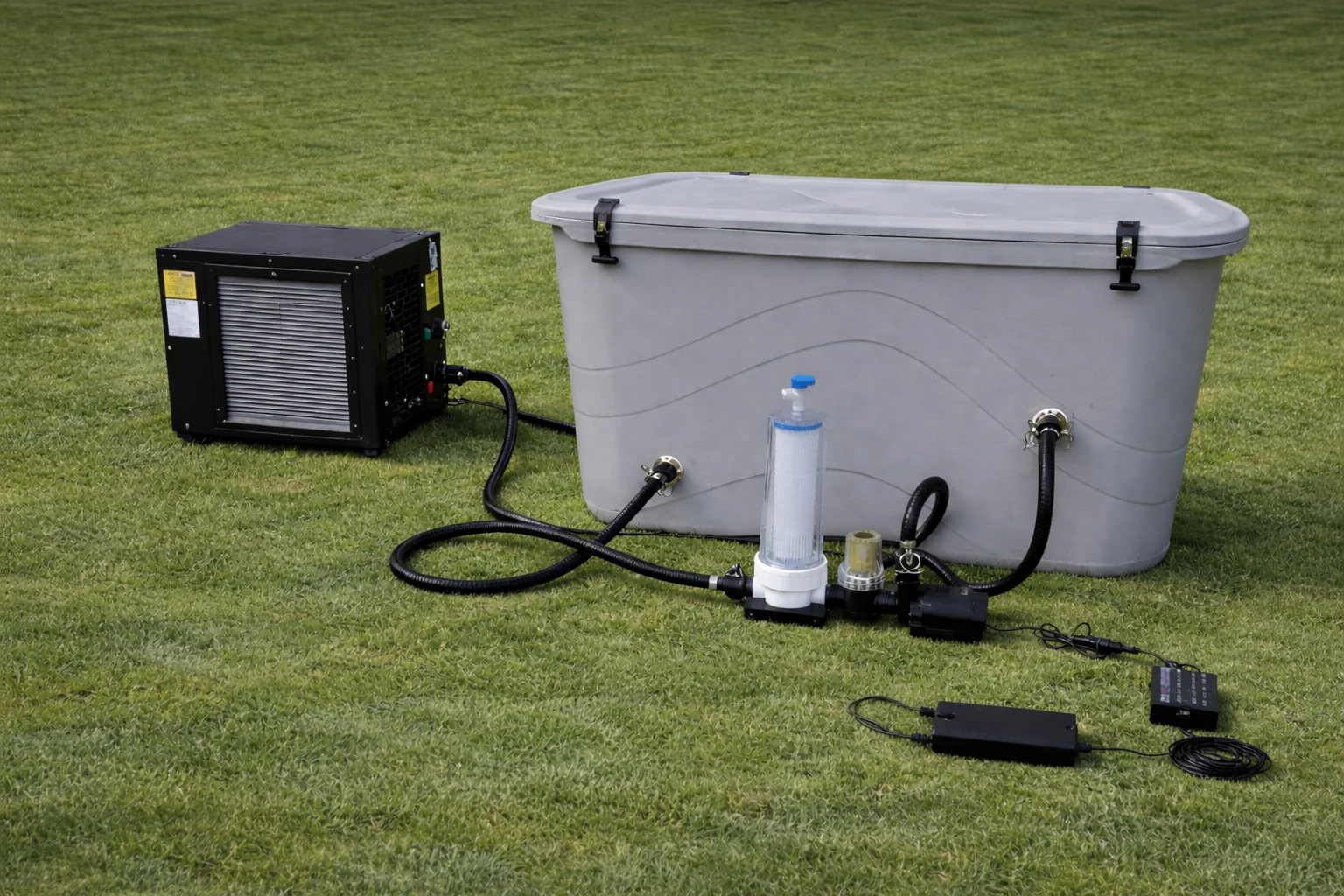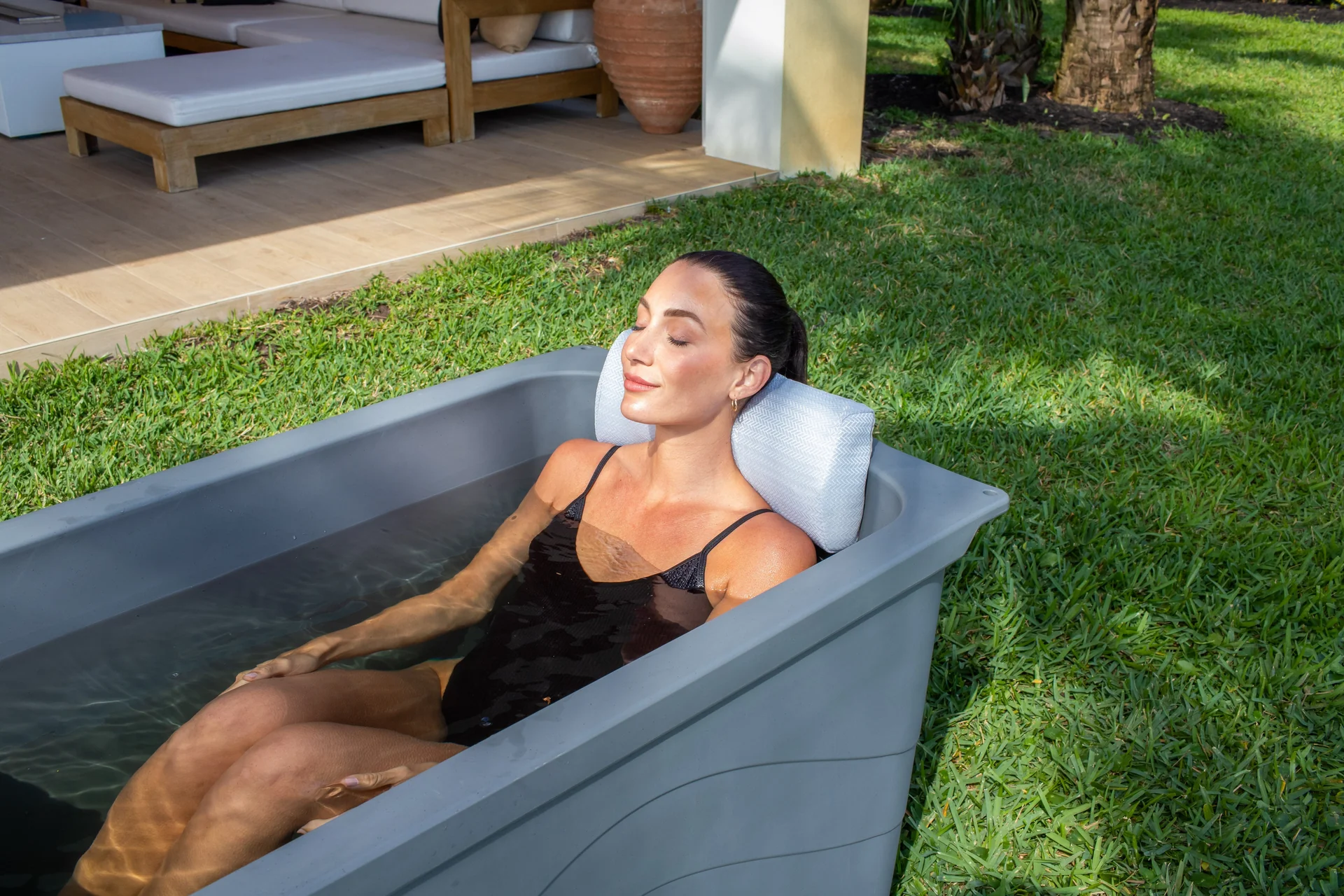

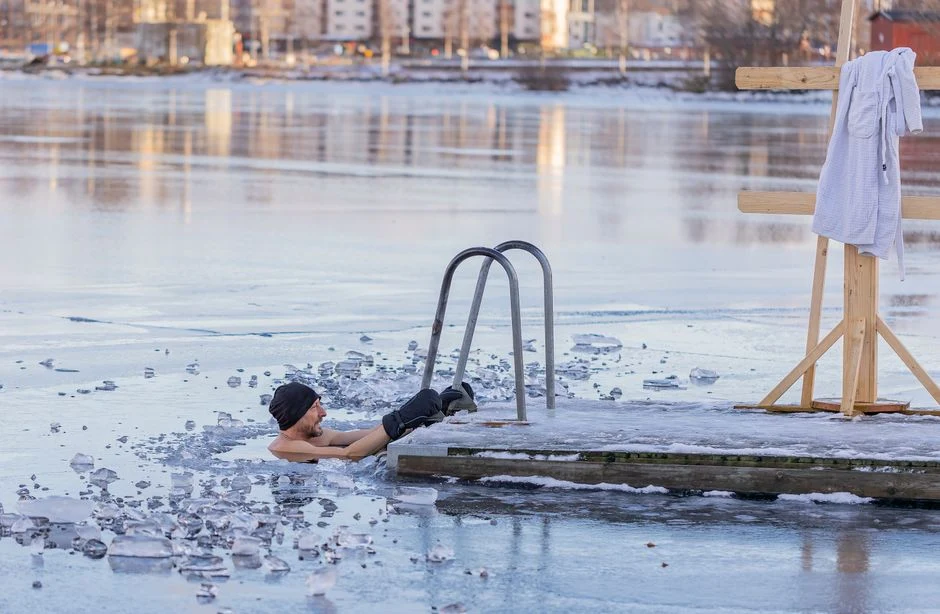
When winter temperatures drop below freezing, your cold plunge tub chiller faces a serious risk. Water left inside the chiller, hoses, or tub can freeze, expand, and cause costly damage to the unit and plumbing. Proper winterizing and freeze protection are essential to keep your equipment safe through the cold months, whether you plan to continue using it or store it until spring. This guide explains how to protect your chiller and pipes from freezing and what steps to take when the mercury falls below 32°F.
Why Freeze Protection Matters for Your Cold Plunge Tub Chiller
A cold plunge chiller is designed to cool water, not to withstand ice formation. When water freezes, it expands by about 9%, creating enough pressure to crack heat exchangers, burst hoses, and damage pumps. Even a single freeze event can ruin a chiller that costs hundreds or thousands of dollars to replace. For example, chillers like the Plunge Pro Chiller (priced at $3,490 on sale) or the Pod Company’s Standard Water Chiller ($569) represent significant investments that deserve proper care. Freeze protection is not optional; it is a maintenance task that prevents expensive repairs and extends the life of your equipment.
How Cold Affects Your Chiller
Most cold plunge chillers use a refrigeration system similar to a mini-split air conditioner. They circulate refrigerant to absorb heat from the water, then reject that heat through a condenser. The water side of the chiller must always remain liquid. If the water temperature inside the chiller drops below 32°F, ice can form on the evaporator plates or inside the heat exchanger. Even if the ambient temperature is above freezing, the chiller itself can produce water temperatures near freezing. Many chillers can cool water to very low temperatures: the Active Aqua 1/4 HP chiller reportedly reaches 34°F, the Plunge Pro Chiller maintains down to 37°F, the Pod Company’s Universal Chiller cools to 39°F, and their Standard Chiller reaches 41°F. If you set your chiller to its lowest temperature in subfreezing outdoor air, the risk of internal freezing increases dramatically. Additionally, exposed pipes and hoses outside the chiller are vulnerable. Insulation alone may not be enough if the outdoor temperature stays below freezing for an extended period.
Winterizing Steps for Your Cold Plunge Tub Chiller
Drain the Entire System
The most reliable freeze protection is to remove all water from the chiller, hoses, and tub. Start by turning off the chiller and disconnecting it from power. Close any drain valves on the chiller and open the drain port on the lowest point of the system. Many chillers have a dedicated drain plug or valve. Allow water to flow out completely. Next, disconnect the hoses at both ends and tilt them to drain any trapped water. For the tub, use a drain hose or pump to empty it. If your chiller has a filter, remove it and dry it separately. Leave all drain valves open and hoses disconnected during storage so any residual moisture can evaporate. This method works whether you have a budget chiller like the Rocita 1/3 HP (under $250 from Walmart) or a premium unit like the Plunge Pro Chiller.
Use Freeze Protection or Circulation Mode (If Available)
Some chillers include a freeze protection mode that runs the water pump periodically to prevent stagnant water from freezing. Other models may have a circulation-only setting that keeps water moving without engaging the compressor. Check your chiller’s manual for these features. If your chiller does not have an automatic freeze protection mode, you can run the pump continuously on a timer. However, this still leaves the chiller’s internal components at risk if the ambient temperature drops very low. Relying on circulation alone is less reliable than a full drain for prolonged freezing weather.
Insulate Exposed Pipes and the Chiller Unit
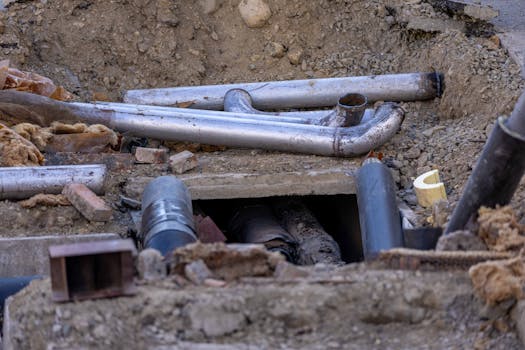
If you choose to keep your cold plunge system running through winter, insulation is critical. Wrap all exposed hoses and pipes with foam pipe insulation rated for outdoor use. Pay special attention to connections and valves. You can also insulate the chiller body itself using a custom cover or a thermal blanket made for outdoor equipment. Do not block the chiller’s ventilation openings, as airflow is needed for the condenser to reject heat. Even with insulation, keep an eye on the forecast. A sudden deep freeze can overwhelm insulation on its own.
Add a Heater or Heat Tape
For areas that experience prolonged subfreezing temperatures, adding a heat source can provide an extra layer of protection. Low-wattage heat tape or a pipe heating cable can be wrapped around water lines and secured with electrical tape. Some users place a small space heater near the chiller inside a weatherproof enclosure, but only if safe clearances and ventilation are maintained. Another option is to install a thermostatically controlled heater pad inside the chiller compartment. These measures are not always compatible with every setup, so verify with the manufacturer or a qualified technician before modifying your chiller.
Choosing a Chiller for Cold Climates
When purchasing a cold plunge tub chiller for use in a region with harsh winters, consider the chiller’s lowest operating temperature and whether it has built-in freeze protection. The table below summarizes key specs from popular models based on available manufacturer data.
| Model | Horsepower | Lowest Temperature | List Price |
|---|---|---|---|
| Plunge Pro Chiller (Gen 2) | 0.75 HP | 37°F | $3,490 (sale) |
| Pod Company Universal Chiller | Not specified | 39°F | Not listed |
| Pod Company Standard Water Chiller | 1/3 HP | 41°F | $569 |
| Active Aqua 1/4 HP | 1/4 HP | 34°F | Not listed |
| Rocita 1/3 HP (budget option from Walmart) | 1/3 HP | Not specified in research | Under $250 |
| AS ColdPlunge 1/3 HP | 1/3 HP | Not specified in research | $399 (unavailable at time of research) |
| EONIX 1/2 HP Cold Plunge Chiller | 1/2 HP | Not specified in research | $369.99 |
Chillers with lower cooling setpoints (like 34°F or 37°F) can still be used in cold weather, but they require more careful management to prevent the water from freezing inside the unit. The DIY Cold Plunge blog recommends a 1/4 HP chiller for most DIY builds, noting it can reach 34°F and is reliable outdoors. For extreme climates, a 1/2 HP or higher chiller may be needed, but that recommendation relates to cooling performance rather than freeze protection. When buying a chiller for a cold climate, ask the manufacturer whether the unit has a freeze protection mode or if it can safely operate with water temperatures near freezing.
What to Do If Your Chiller Freezes
If you discover ice in your chiller or hoses, do not try to force the system to run. Turn off the power immediately. Let the ice thaw naturally at room temperature or apply gentle heat with a hair dryer on a low setting. Never use an open flame or high heat, as that can damage components. Check for cracks in the heat exchanger, fittings, and hoses. Once thawed, inspect for leaks by slowly reintroducing water and pressurizing the system. If you find a crack, the part likely needs replacement. Many chiller manufacturers sell replacement heat exchangers or can advise on repairs. In severe cases, the entire chiller may need to be replaced. Prevention is far less expensive than repair.
Frequently Asked Questions
Can I leave my cold plunge chiller outside in winter?
Yes, but only if you properly winterize it. If you plan to continue using it, you must take steps such as insulating pipes, using a freeze protection mode if available, and monitoring temperatures closely. For storage, draining all water is the safest option. Leaving water inside a chiller in freezing weather can cause irreversible damage.
What temperature is too cold for a cold plunge chiller?
Any temperature at or below 32°F creates a freeze risk for water inside the chiller and hoses. Most chillers are designed to cool water, not to withstand ice. Even if the chiller itself has some insulation, prolonged exposure to subfreezing air can lead to freezing. The specific risk depends on the chiller design, water movement, and local weather.
Do I need to drain my chiller if I use it every day in winter?
If you use the chiller daily and the ambient temperature stays above freezing, draining is not necessary. But if a cold snap with temperatures below 32°F is forecast, you should either keep the water circulating continuously or drain the system. Daily use alone does not guarantee freeze protection if the chiller is not running during the coldest hours.
Can I add antifreeze to my cold plunge water?
No. Automotive or RV antifreeze is toxic and must not be used in a cold plunge tub. Some food-grade propylene glycol solutions exist for potable water systems, but they can affect water taste, clarity, and may not be compatible with your chiller’s seals or filtration system. Draining is a simpler and safer solution.
Will a heater protect my chiller from freezing?
A heater can help, but it must be used correctly. A thermostatically controlled heater placed near the chiller and water lines can keep the surrounding air above freezing. However, heaters introduce fire risk and require careful placement to avoid blocking airflow or creating a hazard. Heat tape on pipes is a more targeted solution. Always follow the manufacturer’s safety guidelines.
Protecting your cold plunge tub chiller from freezing is straightforward once you understand the risks and take the right steps. Whether you drain the system for storage or insulate and maintain circulation for year-round use, a little preparation can save you from expensive damage. If you are unsure about your specific chiller model, consult the user manual or contact the manufacturer for their winterizing recommendations.