

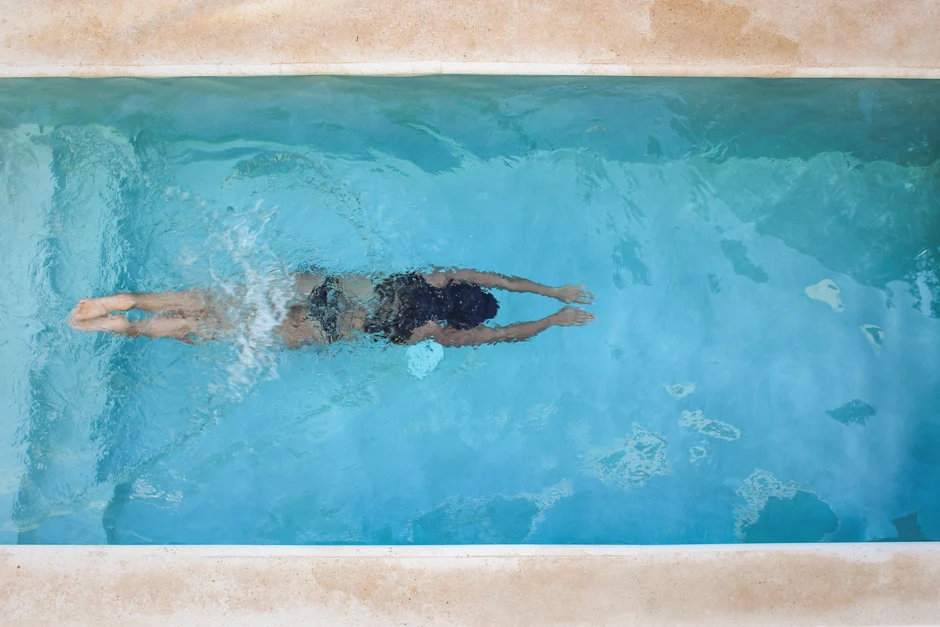
Cold plunging has become a popular recovery tool for athletes and wellness enthusiasts. Tubs range from inflatable models around $199 to premium built-in units exceeding $13,000, but no matter the price, keeping the water clean is essential. Cloudy or contaminated water can cause skin irritation and reduce the enjoyment of cold therapy. This article covers the basics of sanitizers, filters, testing strips, and simple steps to maintain clear water in your ice bath cold tub.
Why Water Quality Matters for Your Ice Bath Cold Tub
When you submerge your body in cold water, residual oils, dirt, and microbes enter the tub. Without proper care, bacteria and algae can grow, especially if the water is left stagnant between sessions. Clean water not only prevents irritation but also protects the equipment. Many high-end models, such as the Plunge tub made of acrylic and fiberglass, and the ColdTub built into a tank, are long-term investments. Keeping the water clear helps preserve their appearance and function. According to BarBend, cold plunge tubs can aid recovery and ease sore muscles after heavy exercise, so maintaining hygiene ensures each session is safe and effective.
Types of Cold Plunge Tubs and Their Filtration Needs
Different designs require different approaches to water quality. Inflatable tubs like The Pod Company’s Long Pod start at $199 and often rely on an external pump and filter kit because they lack built-in filtration. At the other end of the price spectrum, the ColdTub at $13,900 is integrated with top-tier technology and sanitation. The Plunge tub (about $5,590) uses acrylic and fiberglass construction and can cool water to 37°F with its Pro Chiller; it may have internal filtration, but owners still need to monitor chemical levels. Desert Plunge tubs are built from rigid, insulated Grizzly coolers paired with external chillers, which means the user must add a separate filter. Regardless of the tub type, all standing water benefits from regular filtration to remove particulates and prevent stagnation.
Sanitizers for Cold Plunge Water
Sanitizers keep bacteria and viruses in check. Common options include chlorine and bromine, which are effective but must be dosed carefully because cold water can slow their dissolution. UV light systems and ozone generators are also popular because they leave no chemical residue, making them appealing for frequent plunging. Some users prefer hydrogen peroxide based additives that break down into oxygen and water. Whichever sanitizer you choose, check the manufacturer’s instructions for compatibility with your tub materials. Acrylic and fiberglass surfaces, like those on the Plunge model, are generally resistant to standard sanitizer levels, while inflatable PVC may require lower concentrations to avoid damage.
Choosing the Right Filter
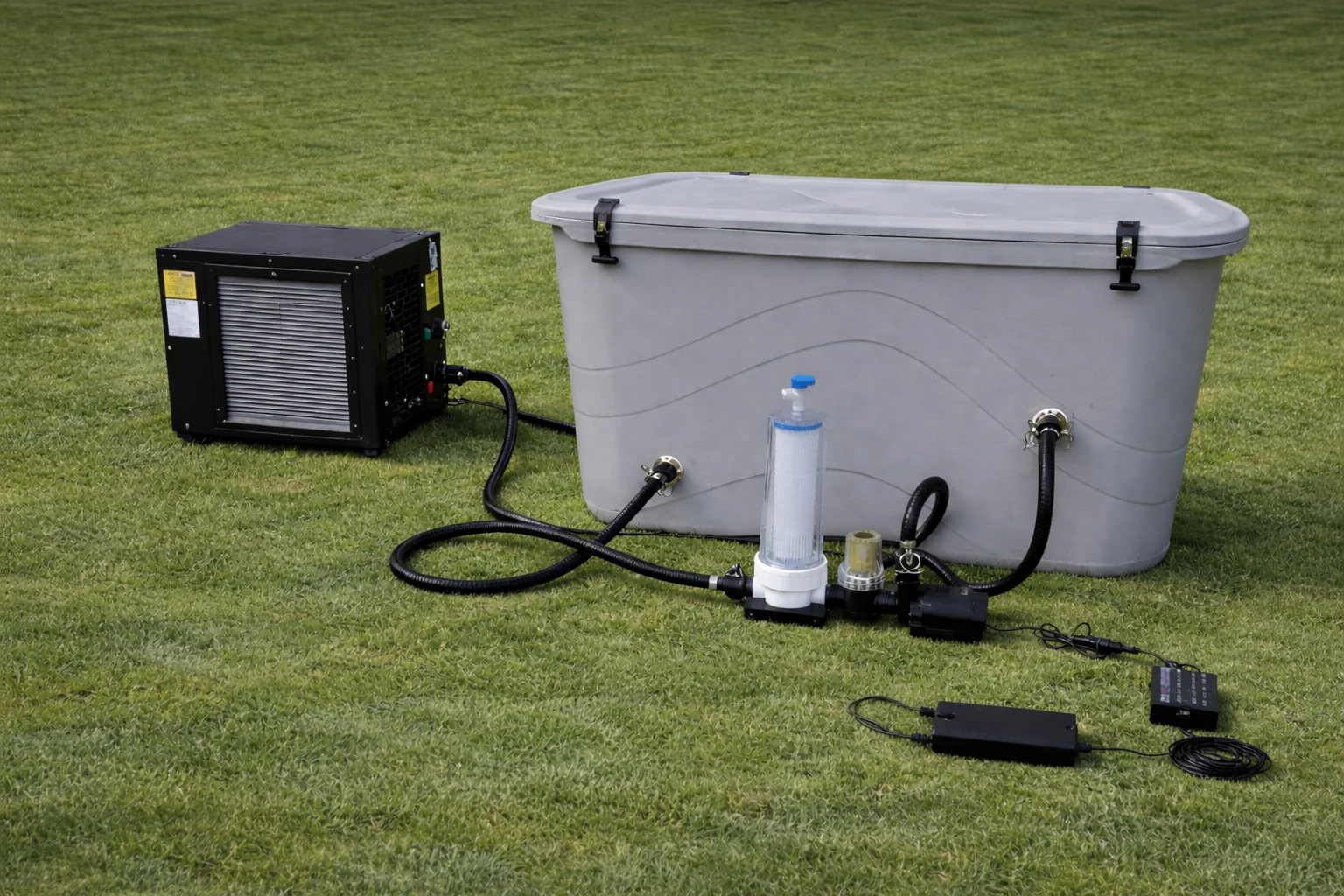
A filter physically removes debris and helps distribute sanitizer. Cartridge filters are the most common for home cold plunge setups. They capture particles like hair, dead skin, and lint and are easy to rinse or replace. For larger tubs, such as the XXL inflatable option on Amazon with 216‑gallon capacity, a more powerful pump and larger filter cartridge may be needed. Some users install a separate filtration system, like the one offered by Frozin (a brand that sells complete cold plunge systems), to keep water clear without relying solely on chemical treatments. Sand or diatomaceous earth filters also work but are less typical for portable tubs. A good rule is to run the filter for at least two hours a day, and longer if you plunge frequently.

Using Testing Strips to Monitor Water Quality
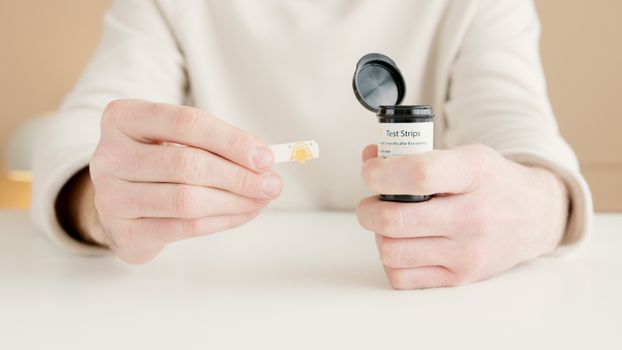
Testing strips give a quick snapshot of your water’s condition. Most strips measure pH, total alkalinity, and free sanitizer levels (chlorine or bromine). For cold plunge water, the ideal pH range is 7.2 to 7.6, and free chlorine should stay between 1 and 3 parts per million. Strips also detect total dissolved solids, which indicate when the water needs changing. Testing three times per week is a practical habit. If you notice cloudiness or a strong odor, test immediately. Regular monitoring helps you adjust chemical levels before problems develop. The Plunge app, available with the Plunge tub, includes temperature tracking but does not replace chemical testing.
Keeping Water Clear Without Harsh Chemicals
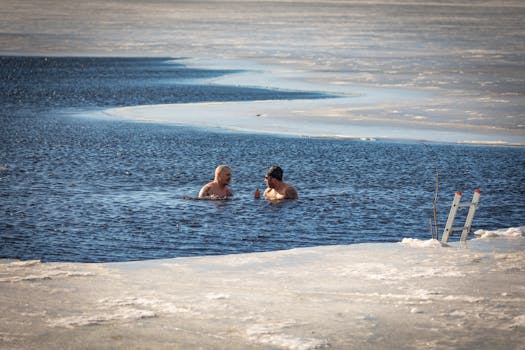
Beyond sanitizers and filters, simple habits make a big difference. Showering before use removes lotions and sweat that cloud the water. Using a lid or cover, such as the insulated lid included with the Amazon XXL inflatable tub, keeps out leaves, insects, and dust. Change the water completely every two to four weeks depending on use. Some owners use enzyme based clarifiers that break down organic matter naturally. For desert climates, Wired recommends an ice bath with a chiller to maintain consistent cold temperatures, which also slows bacterial growth. A weekly scrub of the interior with a mild cleaner designed for acrylic or PVC prevents biofilm buildup. These steps combined keep your ice bath cold tub inviting and hygienic.
Frequently Asked Questions
How often should I change the water in my ice bath cold tub?
Most users change the water every two to four weeks. If you plunge daily or notice strong odors, change it more often. Testing strips that show high total dissolved solids confirm it is time for fresh water.
Can I use chlorine in my cold plunge?
Yes, but keep free chlorine below 3 ppm to avoid skin irritation. Test with strips each session and consider using a bromine or UV alternative if you have sensitive skin or plunge very frequently.
Do I need a filter for my ice bath cold tub?
A filter is recommended even for inflatable models. It removes debris and helps distribute sanitizer. Many premium tubs like Plunge and ColdTub include integrated filtration, but separate pump and filter kits work well for other types.
What is the best sanitizer for cold plunge water?
The best sanitizer depends on your tub material and preference. UV light and ozone leave no residue and are low maintenance. Bromine is effective in cold water and less irritating than chlorine to some people. Always follow product label instructions for safe levels.
Maintaining clean water in your ice bath cold tub takes consistent effort, but the payoff is safer, more enjoyable cold therapy sessions. With the right sanitizer, filter, testing strips, and good habits, you can keep your plunge water crystal clear for months of recovery.

Hi, this is a comment.
To get started with moderating, editing, and deleting comments, please visit the Comments screen in the dashboard.
Commenter avatars come from Gravatar.